
Seasonal Alerts for Pet Owners in Mart, Texas
As well as keeping your pets warm and safe during cold and inclement weather, some foods and plants are toxic to dogs and cats and are especially prevalent during the holidays surrounding Thanksgiving and Christmas.
Foods to Avoid for Dogs:

Chocolate — contains theobromine and caffeine. Symptoms include agitation, vomiting, diarrhea, tachycardia, and seizures. Toxic signs may show up later due to chocolate’s ability to be retained in the stomach for up to 12 hours, with signs lasting for longer than 17 hours.
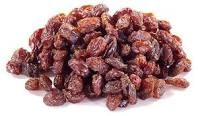
Raisins, Currants, and Grapes — As little as 10 grapes or 3 raisins can cause toxicity in some smaller dogs. The toxicity causes kidney shutdown and failure, with signs of vomiting within 1–3 hours of ingestion, diarrhea, abdominal pain and distention, central nervous system depression, and acute kidney failure.
Plants to Avoid for Dogs:

Sago Palm — All parts of the plant are toxic, with the seed being the most toxic. Toxicity causes acute hepatic (liver) necrosis, with only a 30–40% survival rate. Severe clinical signs include gastrointestinal hemorrhage, hepatotoxicity, and possible long-term cardiotoxicity.
Plants to Avoid for Cats:

Lilies — Leaves, petals, pollen, and even water from the plant are all toxic to cats. Examples of the lily family that are toxic include Easter lily, tiger lily, and Asiatic lilies. Non-toxic forms are calla lily, peace lily, Peruvian lily, and lily of the valley, which are not true lilies. Toxicity is manifested by vomiting, anorexia, and depression initially, followed by dehydration and renal failure.
Onions, Garlic, and Chives — Often found in baby foods as onion powder, or in “natural” flea control products containing garlic. These foods can damage red blood cells and lead to anemia in both dogs and cats, with symptoms including weakness, lethargy, pale gums, vomiting, and reddish-tinged urine.
If you suspect your pet has eaten something toxic, don’t wait for symptoms to appear — call us right away at (254) 876-2552. For more year-round tips on keeping your pet safe, visit our Protect Your Pet page.
Frequently Asked Questions About Seasonal Pet Hazards
Why are the holidays a higher-risk time for pets?
Foods like chocolate, raisins, grapes, and onions are more commonly present in the home during Thanksgiving and Christmas, increasing the risk of accidental ingestion.
What should I do if my dog eats chocolate?
Call us immediately at (254) 876-2552. Chocolate toxicity can take hours to show symptoms, so don’t wait to see if your dog seems fine.
Are lilies really that dangerous for cats?
Yes. Nearly all parts of true lilies, including pollen and water from the vase, are toxic to cats and can lead to kidney failure if untreated.
What are the signs of onion or garlic toxicity?
Signs can include weakness, lethargy, pale gums, vomiting, and reddish-tinged urine, which may indicate damage to red blood cells.
What should I do if I think my pet ate something toxic?
Call us right away at (254) 876-2552, even if your pet isn’t showing symptoms yet. Early treatment often leads to a better outcome.